I hope to build meaningful businesses and not transactional ones - a solarpunk world where business thrives in its interrelationships with culture, tech and nature. I spend most of my waking hours thinking about these interrelationships and tracing their paths around the globe.
For the last few weeks, as my body swelters in Singapore’s tropical heat, my mind has been pre-occupied with the same. I followed stories across Asia, Europe, US and Africa and the US to find their interrelationships.
I’d love to hear from you if you’ve noticed a signal that either supports these observations or flies against the conclusions.
Year of the wet pillow
My vividest memory of summer was waking up on a wet pillow.
Growing up in a steel township in Eastern India with extreme summers (peak temperatures of 42°C or 107.6°F) felt like punishment. The suffocating afternoons, 11 AM to 3 PM, when the sun doing its worst, the rocky ground reflecting it right back to roast anyone stuck in between. Couldn’t go out to play or on the bike. Being stuck indoors during school holidays was my first brush with claustrophobia. I called this ‘the hour of Sauron’.
The rolling blackouts that followed (can you call them that if the power goes off in the afternoon?) had a special name too: ‘load shedding’. The power grid, stressed by the increased demand for cooling during the evenings, could give out any minute. Load shedding is when the grid has to turn off parts of itself in order to not completely collapse. The entire city was built around a steel factory. You couldn’t turn that off. We would suffer so that the plant could run, and the plant had to run so the city could survive. We cooked, ate, and studied by candlelight. And mosquito-repellant coils. The home smelled of soot and sweet toxicity.
The evenings were manageable, but on rare occasions the power stayed out. A transformer blew or the nearest hydroelectric station was in drought. The real bout started at night. If the power didn’t come back on there would be no circulation nor that white noise that we took for granted. Heat plays a contact sport. Every movement, a chafing reminder of your loss against it. At some point you succumb and drift into slumber. And you'd wake up in a pool of your own sweat.
I’d seen the future on those mornings. I didn't know I'd seen it then, but I carried the language to describe it.
With 60% of the Earth’s land surface projected to experience annual heatwaves, summer is being flattened into an oppressive force felt in similar ways around the globe. An ever-present preoccupation with escaping, managing, dodging, and responding to heat. Summer is now just...heat. And the heat is coming for us all.
The wet pillow mornings felt like something had existentially shifted, that this wasn’t a mere seasonal quirk. Given what is unfolding around us this year, the world we are about to enter the era of the wet pillow. And we don’t know how to talk about it. But we better learn quickly.
The Slow Boil
Like the proverbial frog, we’ve had plenty of chances to jump out of this pot. The past decade has been warmer than ever before. We use the term “warm” because that’s the language of averages.
Most of our public infrastructure and private imagination ties weather-related events to catastrophes — things that happen all of a sudden. Mudslides, floods, wildfires. When there’s a snowstorm, traffic stops. Floods close down schools. You can’t see heat, so construction work continues, traffic cops still need to stand on intersections. A ‘heatwave’ just doesn’t register the same way blizzard, whiteout or ‘polar vortex ‘ do. Cold supposedly kills 9 times the people heat does. That number is vastly undercounted because in much of the developing world, deaths are rarely classified under ‘heat’. Recent modeling studies show that heat deaths will rise dramatically and substantially outweigh any decrease in cold deaths.
Even when fatal, heat eludes blame. And it will use that against us.
The Choked Strait
Laurie Parsons, a Reader in Human Geography at Royal Holloway, University of London (can we talk about how great a job title ‘Reader’ is?) writes about our flawed perception of extractive consumerism that drives climate change affects how we make decisions to fix it:
“The largest determinant on whether a person becomes heat stressed (the point at which their body is pushed beyond its normal thermal limits) is the work that a person does. People working in construction, agriculture and other high-intensity roles – the kind that dominate in developing countries – are at the highest risk. Sedentary service sectors, or office jobs to you and me, are the safest in terms of heat stress. When it comes to the environment, what you feel depends on what you do.”
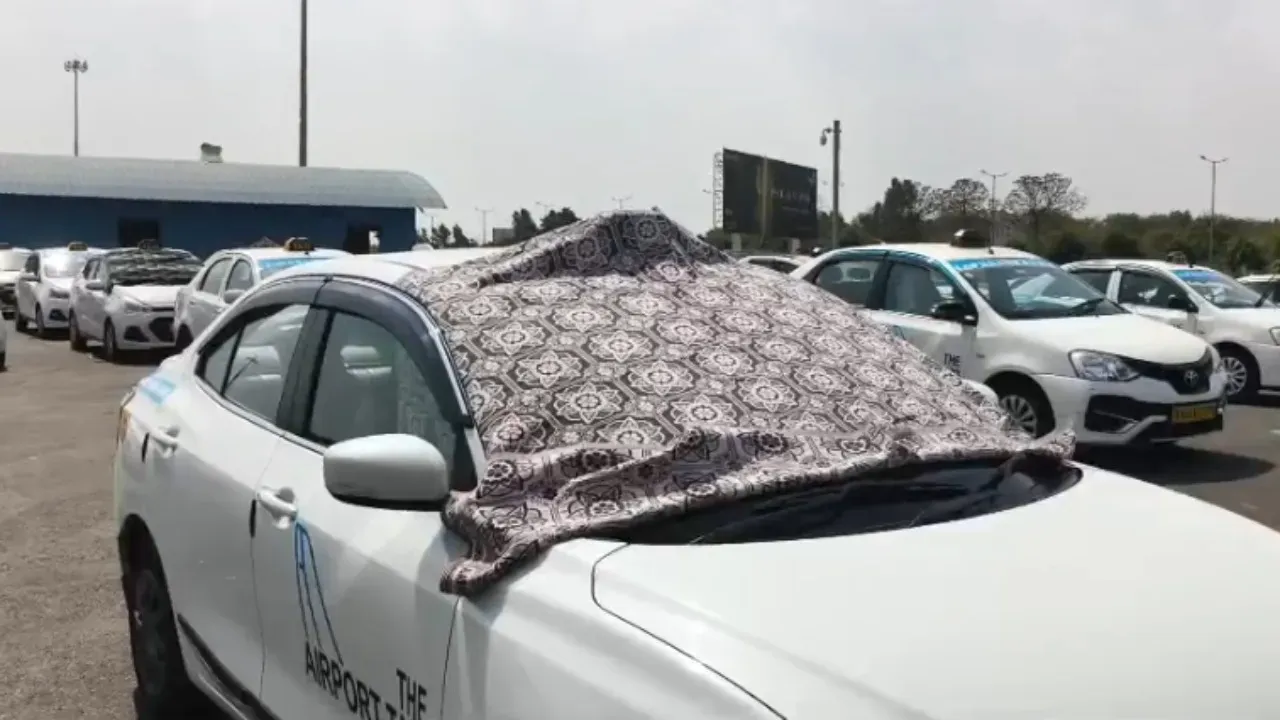
On April 27th, every single one of the planet's top 50 hottest cities was in one country: India. Record heatwaves continue to sweep the subcontinent. Outside Bengaluru's international airport, taxi drivers are bringing bedsheets from home to cover their windshields against the afternoon sun. The fuel crisis has whittled down their customer base, endurance is their only choice. The effect of heat has been showing up in the outdoor labor of the developing world. It has been showing up in the exploited (often migrant) underclass that powers the developed world.
It just hasn’t shown up in the language of the people with the power to respond - those with salaries and cars and jobs in skyscrapers. With the war in Iran, those people may finally be registering the heat.
Japan, one of the most conservative work cultures in the world, is asking employees to wear shorts in office to reduce air conditioning demand. India's Prime Minister just asked the entire nation to work from home.

I live in Singapore - AirCon nation - where the threat of AI coming for office workers is now more palpable than the misery of delivery drivers riding through unprecedented heat. The Strait of Hormuz has made it hard, and expensive, for Asia to cool itself. When air conditioning, electricity, and cooled data centers become unreliable — that's when everyone pays attention. And the second blow hasn’t even landed yet.
Time For Monsters
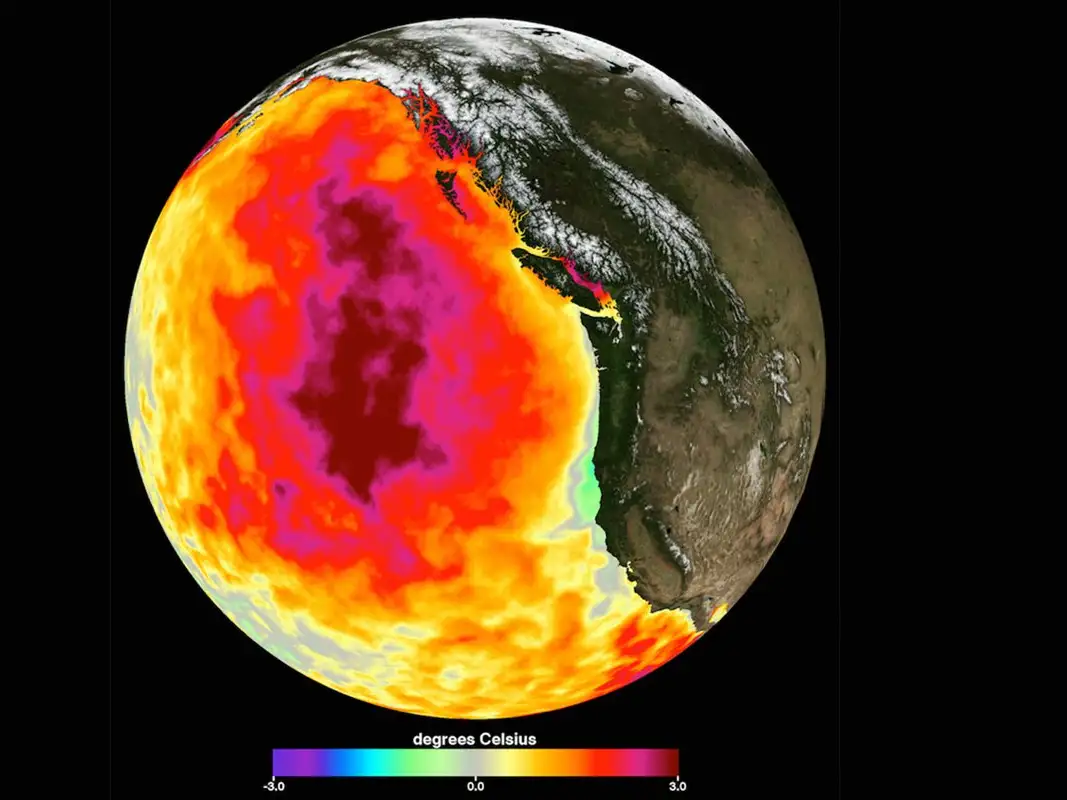
There are talks by climate scientists of El Nino-like patterns already forming. Dubbed the ‘Godzilla El Nino’ — this weather pattern develops when sea surface temperatures in the eastern Pacific become significantly warmer than usual. As an intense fan of the franchise, I don't condone taking the Big G's name in vain. But a ‘super duper El Niño’ can push global temperatures even higher. It can bring drought to the Amazon, fires to Southeast Asia and floods to California. Even Godzilla can't attack all continents simultaneously.
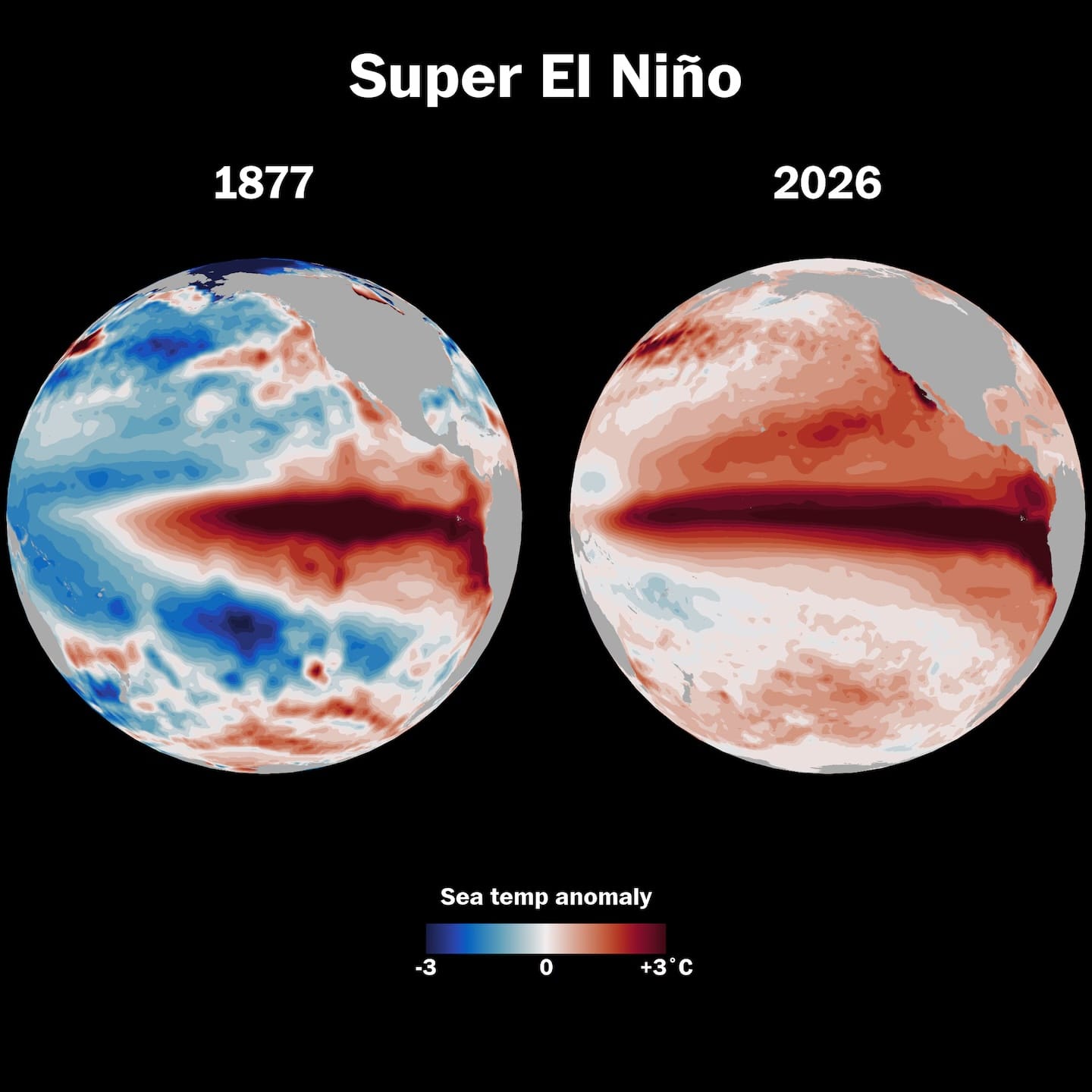
2026 brings together years of inattention lulling governments, companies, and people into complacency, an energy crisis neutralizing our ability to cool ourselves, and a monstrous summer that will wreak havoc on lives and livelihoods.
As environmental writer Bill McKibben says:
“Prepare for bedlam”
How Culture Digests Heat
Seoul winters are brutal. I once landed there in Feb when it was -15°C (or 5°F). I stayed at a hotel that was inside a mall. I spent the whole trip going from one to the other and never seeing the light of day. My tropical mind was not built for that, and I didn’t want to find out if my tropical body was. So I understand why an early end of winter never strikes as a bad thing.
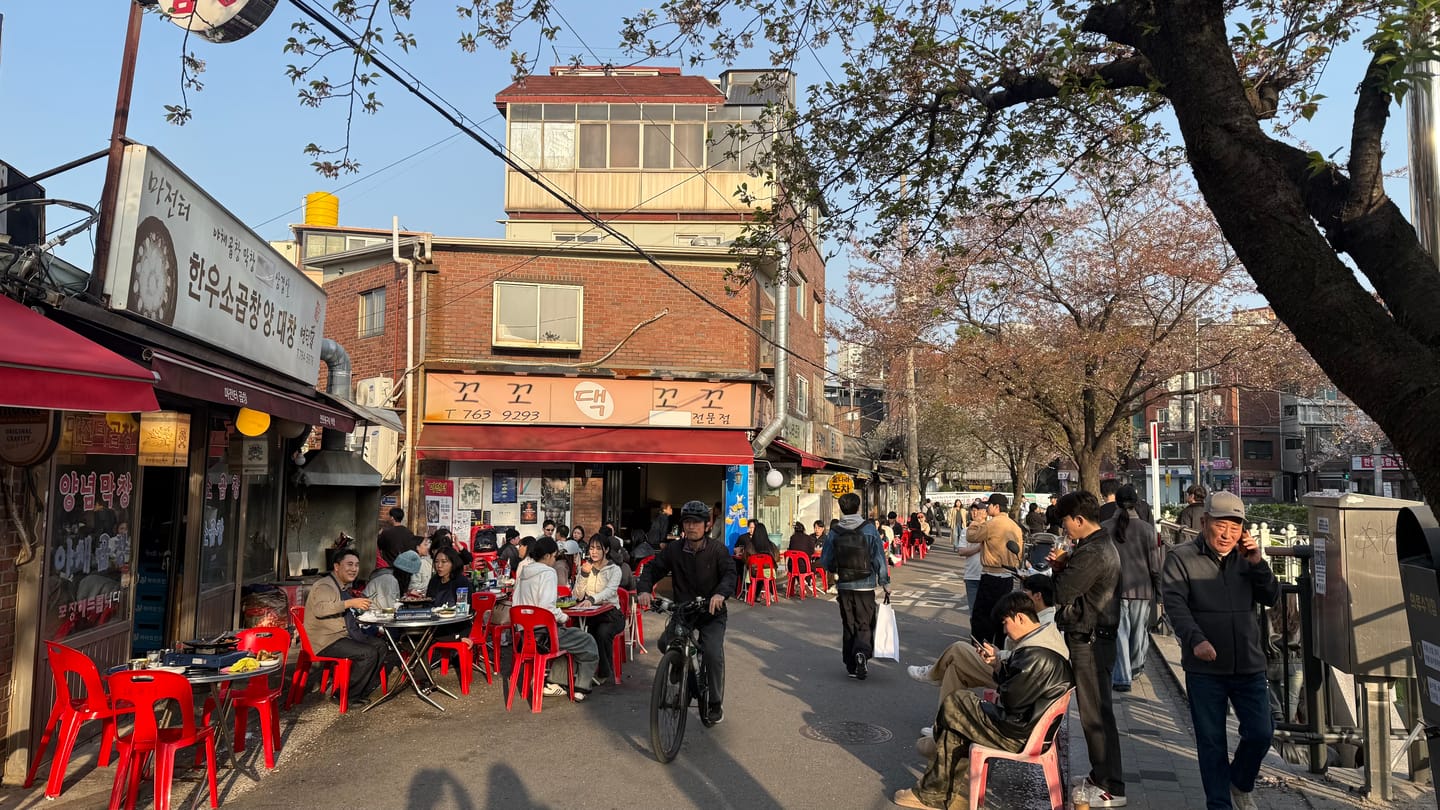
In April this year, Seoul was delighted for that reason. Yajang season had come early - Korea's seasonal ritual of dining outdoors. Even past their peak, the cherry blossoms provided a lovely backdrop for the real, communal and convivial energy of the city to emerge. Seongbuk Stream area went viral, with diners grilling meat beneath the drooping blossoms. Temporary tables, plastic chairs and blocked sidewalks. Messy but unquestionably joyful welcome of spring. I long for stories like these, where even in the background music of ecosystem threats, humans find joy. The language of yajang tells us there is a window to enjoy warmth before it turns into heat. We're culturally attuned to feeling hopeful about spring. What's not to like! Except for the warming planet that is deceptively gorgeous for a brief moment.
But just weeks later, and one country over, the vocabulary shifts. Sanfu is the Chinese term for the ‘dog days of summer’ — a period of three 10-day spans with associated traditions and foods. A cultural ritual for communal relief amidst discomfort. But the heat has started expanding beyond what tradition prepared people for. Last year's sanfu days were among the hottest in recent history. The record was set just two years ago. Little deviation is expected this year. The heat is not just more intense — it's lasting longer. And it will keep pushing at the boundaries of our language.
Walking through the Osaka Expo last July, we could barely keep our eyes open - the village-size concrete floor felt like a blinding skillet. Calling it a ‘hot day’ wasn’t enough. Sounds like Japan's Meteorological Agency (JMA) agrees. They have coined a new name for days that reach 40C (104F) or above, after the country experienced its hottest summer on record last year. The term - kokushobi - translates to "cruelly hot", "brutally hot" or "severely hot”.
Language helps us metabolize what is happening around and to us. It’s the necessary pre-condition for any kind of action. And I hope it acts soon. The language of ‘lockdown’, ‘social distancing’ etc helped us find universal common ground during the last planetary emergency. Following the language of heat is how I make sense of how we make sense of this.
How Heat Shifts Society
Heat is understood generationally. Boomers will register extreme heat as a small part of their life experience, because they've largely lived in a normal climate. Gen Alpha is going to spend most of their lives suffering through relentless summers.
It affects the old and the young very differently - leaving another lacuna in common language. In Japan over 100,000 heatstroke ambulance dispatches were recorded last year. 60% of these were people aged 65+. Of the 2000 odd deaths, that percentage went up to 80%.
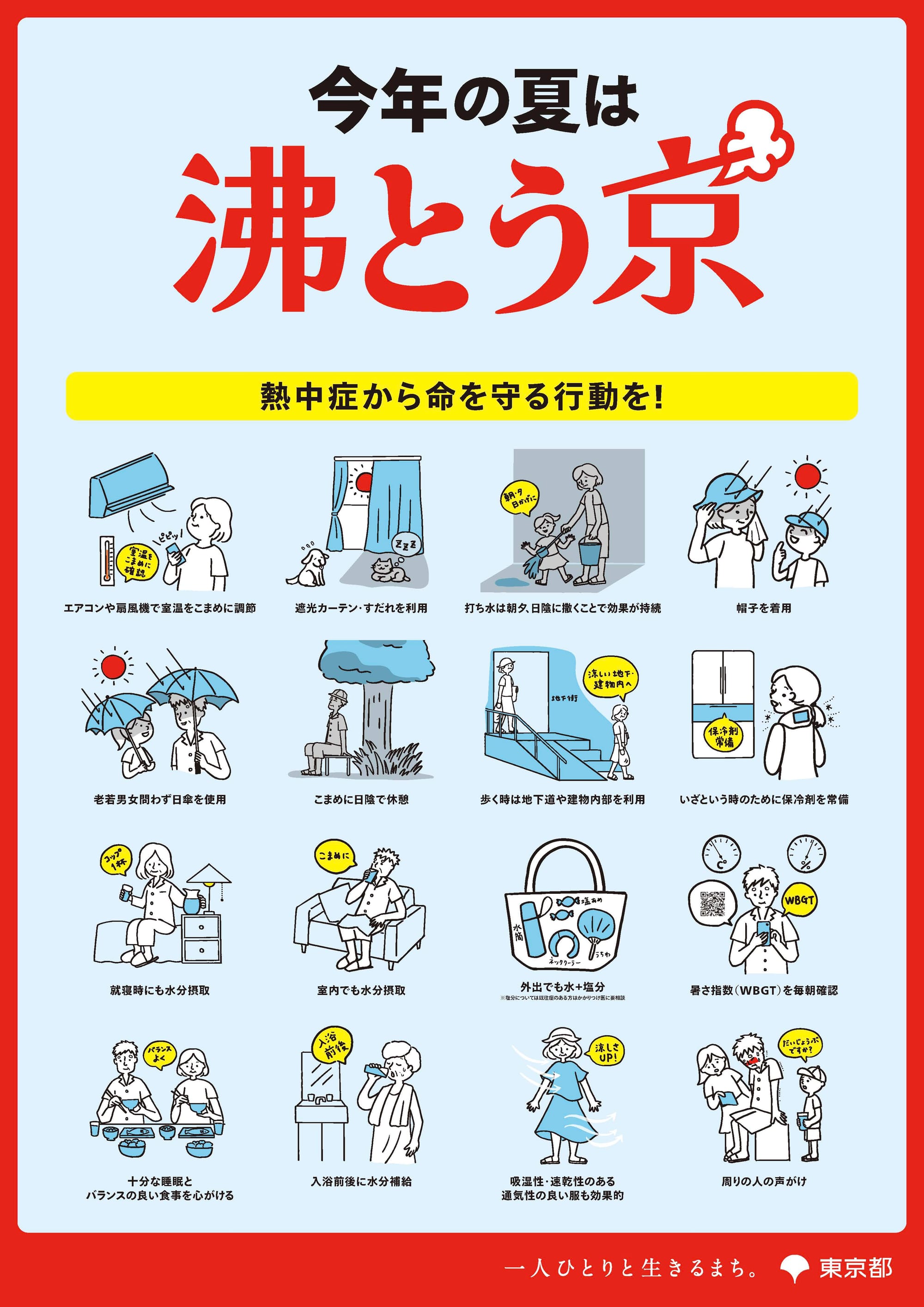
PSAs with a clever pun blending the words for ‘boiling’ (沸騰 or futto) and ‘Tokyo’ - Futto-kyo - ‘Tokyo Is Boiling’. And for the elderly, there was an even more specific message: turn. on. your. AC. Like many old people around the world, the elderly in Japan didn’t want to use their AC - frugality, habit, or just...not feeling the heat due to sensory decline. Finding common language now meant that younger relatives could now be called upon to gently nudge their elders to switch on that AC.
Heat coils around the other raging malaise of the elderly: loneliness and isolation. You’re not going to drive to that retirees mahjong club if you come back to a baking car in the parking lot. I know how I felt cooped up at home during those blistering summer holidays. Again, we have no language to capture the negative externalities of what heat works upon us.
An aging world that is also heating doesn’t seem like an ideal combo.
Heating Up Geopolitics
If for the old, lives are at stake, for the young, it’s livelihoods.
Karishma Vaswani wrote for Bloomberg about how Asia's Gen Z faces bleak job prospects, lackluster growth, and the shock from the Iran war — all while already frustrated with inequality and endemic corruption. And how the energy crisis might just push them over the edge headlong into a ‘summer of rage’. These young workers are especially vulnerable, many likely to join the army of gig workers given the lack of stable formal jobs. It's already begun in India.
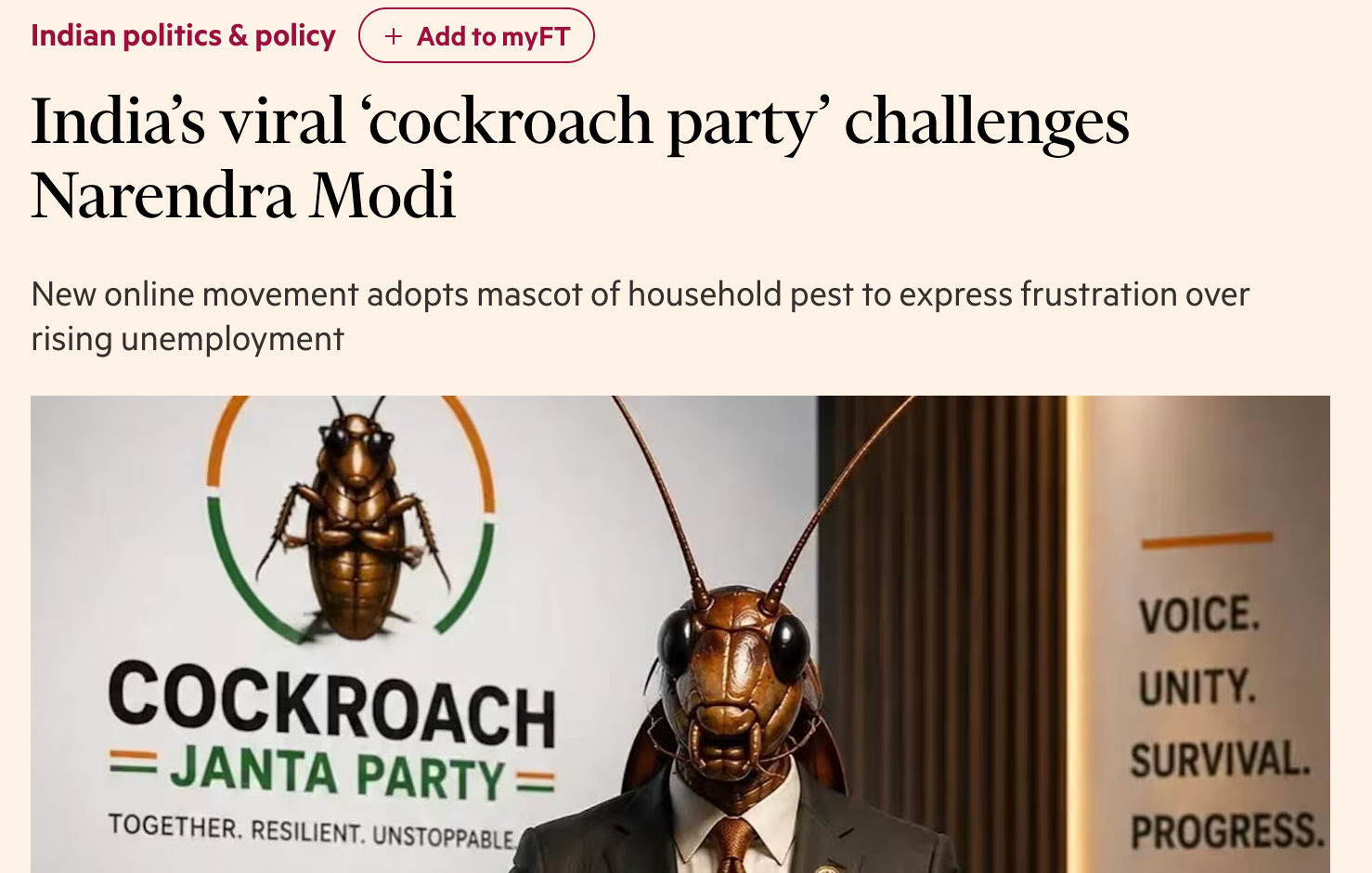
Heat could be the last straw, it would likely start in the informal and gig labor force where the exposure to heat is the highest. Research from the University of Melbourne shows high overnight temperatures lead to poorer decision-making. Torrid times are bound to stir tempers.
Last year, food delivery drivers in Rome suffered a double whammy: first from working in searing temperatures, then from being banned from working, as governments prohibited labor during the ‘hour of Sauron’.
In India, squeezed by both the heat and the war , gig workers are already pushing back. They're not attracted by nominal pay bumps. Hiring costs are climbing 15-20%. People with the least power in the value chain refusing to be exploited by a fundamentally extractive system is a good thing. But that leverage only holds if stable jobs exist as a fallback. If the economy craters they'll have no bargaining chips.
Listening to the language that arises from these groups can give us vocabulary that reams of climate data haven’t provided yet. Reetika Revathy Subramanian, Senior Research Associate, Global Development, University of East Anglia describes in her research
“Across the world, women’s work songs function as informal archives of environmental change. Emerging from repetitive labour – including grinding, pounding, planting and carrying – they register shifts in seasons, resources and survival long before these enter formal records.”
When torrential rain led to flash flooding in the UAE in 2024, nothing represented the contrast of a first-world suffering third-world catastrophe better than a crypto bro going “This Lamborghini is swimming, bro.”

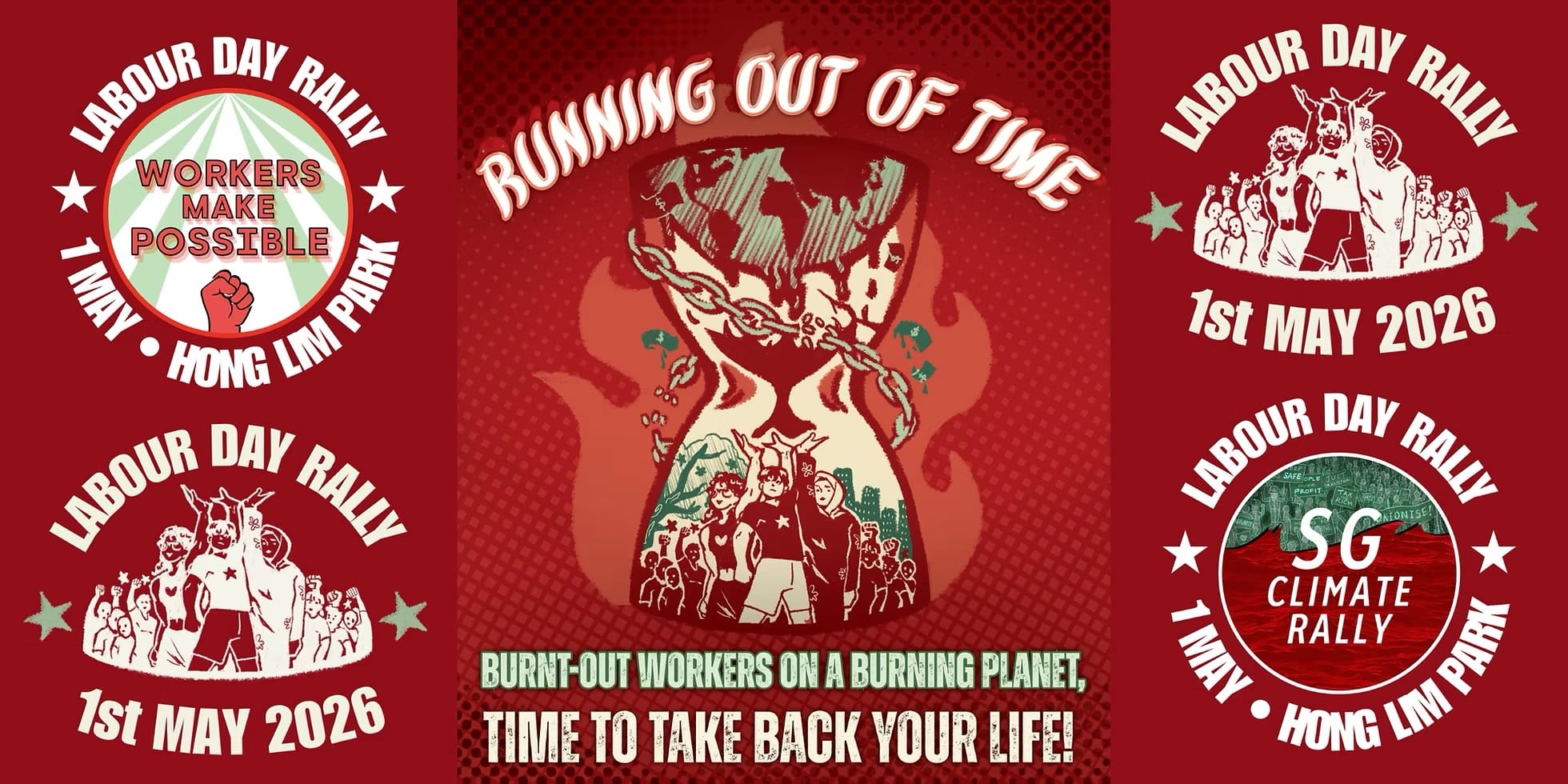
On May Day in Singapore, climate and labor were explicitly fused in a rally under the theme of “burnt-out workers on a burning planet." Their demands explicitly fused climate and labour: mandatory stop-work orders during extreme heat for all workers including migrants, and an end to corporate greenwashing.
The language of heat cannot be contained in the confines of climate. Heat is an exploitation issue. Heat is a labor issue. Heat — whether they have woken up to it or not — heat is a corporate issue.
“Burnt-out workers on a burning planet."
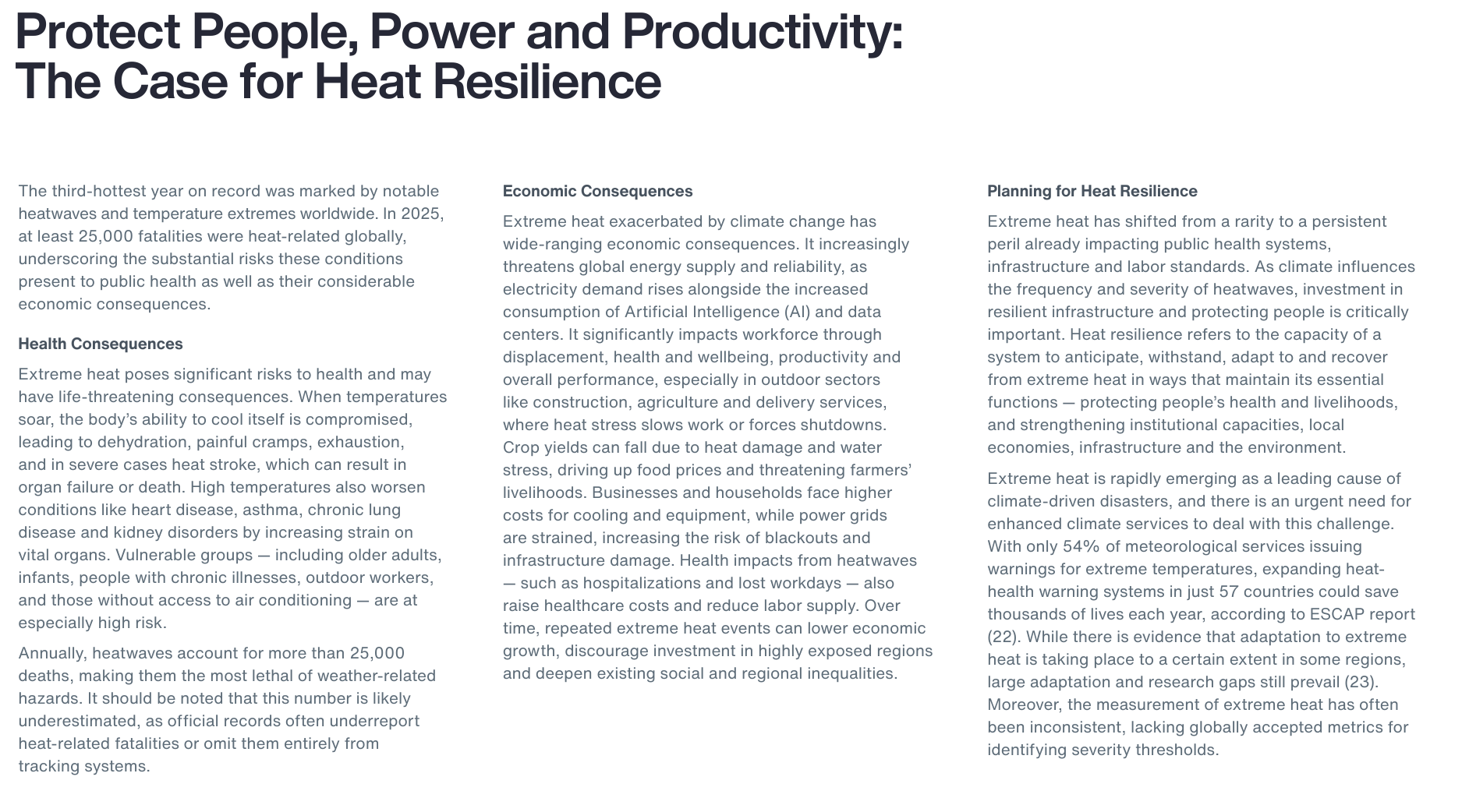
I spent time recently with senior leaders at Aon, whose business focuses on risk and people. We discussed how most companies only consider climate when assessing physical risks — factories, supply chains. Outdoor labor intensive sectors are now paying attention to protecting their workers too.
Aon's 2026 Report
But here's what finally brings it to the white-collar doorstep: energy and infrastructure risk. As data centers push electricity demand higher, extreme heat simultaneously strains power grids — meaning the cooling systems your workforce depends on become less reliable exactly when they're needed most. Aon projects that the combined impact of heat and drought will affect roughly 68% of data center locations by 2055, up from just 6% in 2025. All calculated before the Hormuz disruption. The grid will be stressed this year. But now it bears the burden of more data centers than ever, and the global scrambling of cooling supplies.
Language Of Action
In 2018, Cape Town faced unprecedented water shortage - on the brink of total shut-off. Hundreds of headlines were penned about impending social anarchy and collapse of civil society there. That didn’t happen. People banded together to radically reduce their water consumption until the rains came. The crisis had language: it was called ‘Day Zero’ - a countdown to when the city would run out of water.
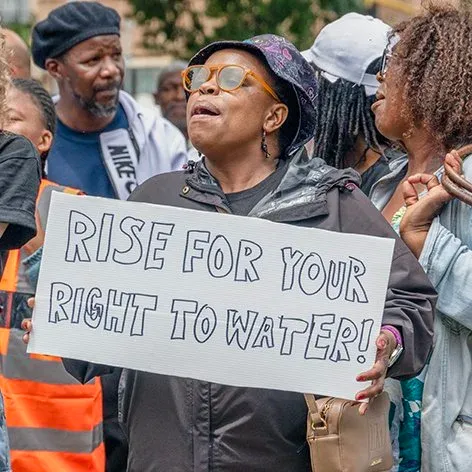
Poorer, majority Black townships, had lived in this precarious situation for years. They already treated water as a precious resource. With ‘Day Zero’, the wealthier neighborhoods came under the same linguistic umbrella - making the issue tangible enough for the government to act. Language united Capetonians in action but also revealed how race, inequality and climate are wound together.

Finding language for what we are facing down is how bring people, businesses and governments together. I can tell you: wet pillow mornings weren't when I made measured choices. And this summer, the wrung-out, heat-stricken humans on this planet might not either. It is inevitable that all rungs of society will converge around the crisis of heat. And there will be no excuse for not having the language to talk about it then.
Talk to me about heat. Hit reply — I read everything.